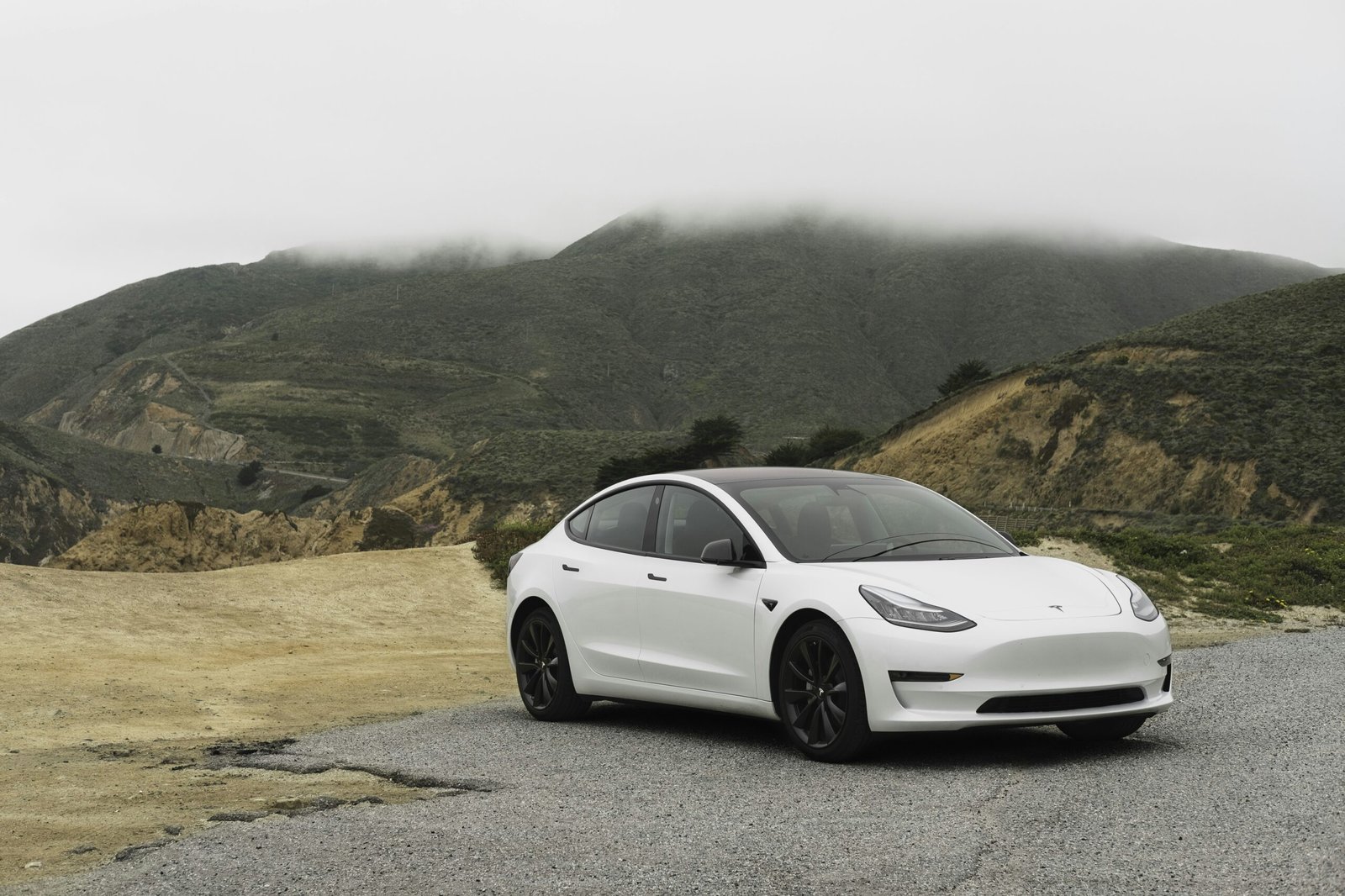
Tesla continues to redefine the boundaries of automotive innovation, weaving a complex tapestry of technological advancements that range from revolutionary charging systems to groundbreaking autonomous driving capabilities. As the electric vehicle (EV) titan unveils these innovations, they not only highlight Tesla’s ambition but also underscore the challenges and opportunities that lie ahead in the rapidly evolving landscape of EVs and robotics.
Revolutionizing Long-Haul Trucking
Tesla’s latest video showcasing the Tesla Semi charging at an extraordinary 1.2 megawatts is a testament to the company’s commitment to long-haul electric trucking. This charging capability enables the Semi to achieve 70% of its range in just 30 minutes, a significant leap that could transform logistics and supply chains. The implications for the freight industry are profound, offering a glimpse into a future where electric trucks traverse vast distances with efficiency previously unimaginable.
Autonomous Deliveries: A New Era of Vehicle Ownership
In a world-first event, a Tesla Model Y drove itself from the Gigafactory in Austin to a new owner’s home, demonstrating Tesla’s advancements in autonomous vehicle technology. This fully autonomous delivery marks a pivotal moment in automotive history, signaling a future where cars are not merely purchased but autonomously delivered, setting a precedent for seamless vehicle ownership experiences.
Enhancing Driver Experience with Advanced Features
Tesla’s introduction of a zoom feature in their Dashcam Viewer reflects the company’s ongoing efforts to refine and enhance user experiences. This update allows drivers to zoom and pan within dashcam footage, providing greater clarity and detail, particularly useful for identifying critical elements such as license plates. This feature, currently available on AMD Ryzen vehicles, illustrates Tesla’s commitment to leveraging cutting-edge hardware to improve functionality and user satisfaction.
The Challenges of Humanoid Robotics
While Tesla’s Optimus robot represents the company’s foray into humanoid robotics, recent events highlight the challenges that remain. A video showing a teleoperator inadvertently causing a robot to stumble underscores the dependency on human oversight. This comedic yet telling incident reveals the gap between current capabilities and the ambitious visions of fully autonomous robots, a gap that Tesla aims to bridge as it continues to refine its robotics technology.
Expanding the Model Y Lineup
Tesla’s upcoming launch of a new, more affordable Model Y variant is poised to broaden the company’s market reach. Set to be produced in multiple global factories, this variant aims to reduce production costs while maintaining Tesla’s commitment to quality and innovation. As the company targets a lower price point, it reinforces its strategy to make electric vehicles more accessible to a wider audience, potentially boosting demand across diverse markets.
Key Takeaways
- Tesla’s 1.2 MW charging capability for the Semi could revolutionize long-haul trucking.
- The autonomous delivery of a Model Y signifies a new era in vehicle ownership experiences.
- Enhancements like dashcam zoom features improve user experience and vehicle functionality.
- The Optimus robot’s challenges highlight the ongoing need for human oversight in robotics.
- The launch of a cheaper Model Y variant aims to expand Tesla’s market reach and accessibility.
Conclusion
Tesla’s latest innovations underscore its role as a pioneer in both the automotive and robotics industries. While the path to fully autonomous vehicles and robots is fraught with challenges, the company’s relentless pursuit of innovation continues to push the boundaries of what is possible. As Tesla advances its technological repertoire, the implications for transportation and automation are vast, promising a future where sustainable and intelligent mobility solutions become the norm rather than the exception.