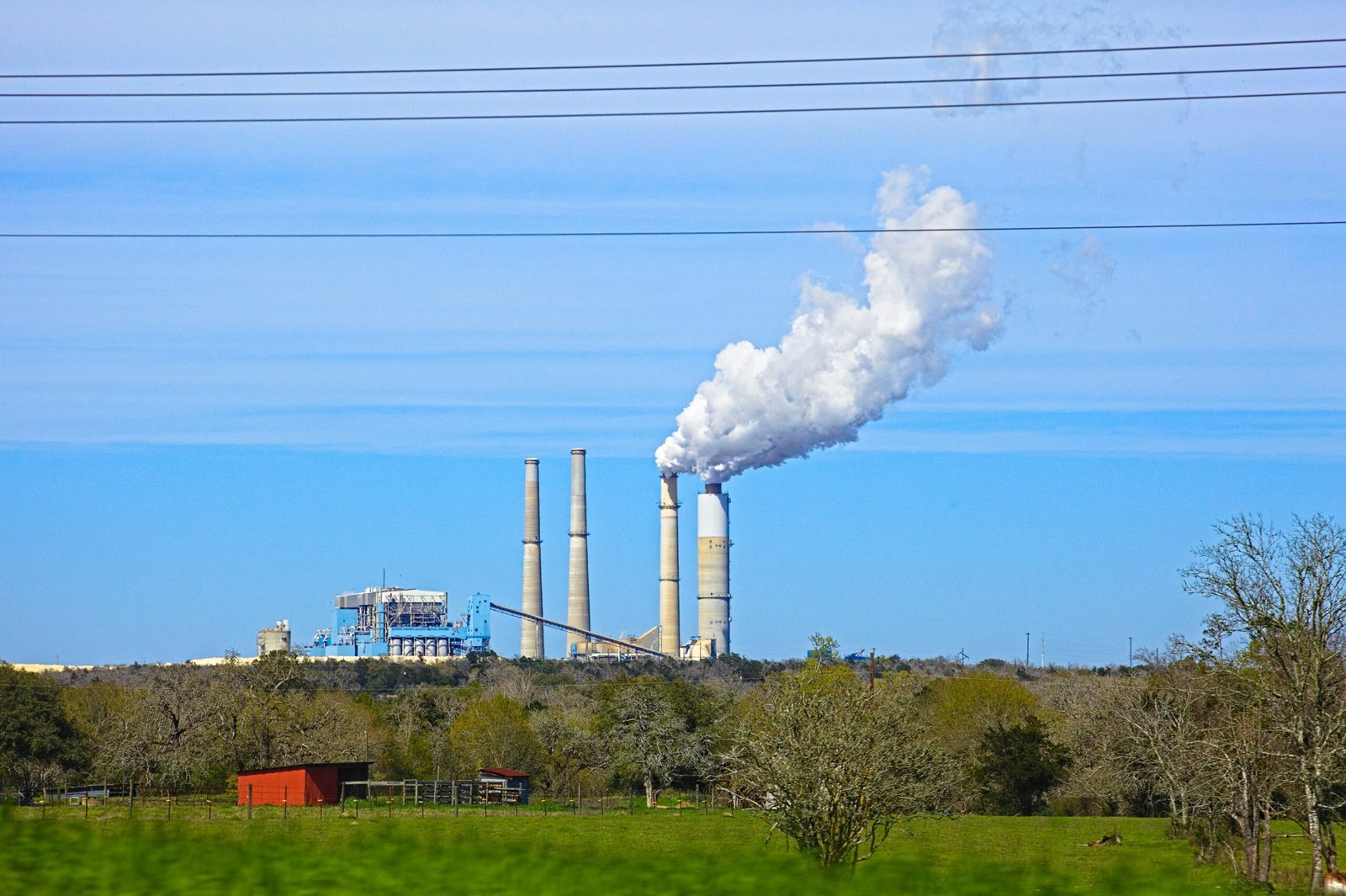
The world is at a critical juncture, grappling with the threat of climate change, yet a small cadre of fossil fuel companies continues to exert outsized influence over global carbon emissions. Recent analyses have spotlighted how just a few dozen firms are responsible for a significant portion of the planet’s CO2 output. Understanding their impact is crucial as we navigate the path to a sustainable future.
The Concentration of Emissions
In a striking revelation, studies have shown that approximately half of the world’s carbon emissions are attributable to a mere 32 to 36 fossil fuel companies. This concentration of emissions among a limited group highlights the disproportionate impact these entities have on the global climate crisis. State-owned giants like Saudi Aramco and private behemoths such as ExxonMobil remain dominant players, with their combined output surpassing the emissions of entire nations.
State-Owned Dominance
State-owned companies have emerged as the leading contributors to carbon emissions. These firms, often shielded by political interests, are at the forefront of fossil fuel production. With nations like Saudi Arabia, China, and Russia backing these enterprises, international efforts to curb emissions face significant hurdles. The political entanglement creates a complex landscape where global climate agreements are often undermined by national interests.
Legal and Economic Accountability
The growing awareness of these companies’ roles has fueled legal and economic actions against them. Lawsuits in the United States and regulatory actions across the globe are increasingly leveraging data to hold these firms accountable for their environmental impact. The Carbon Majors database, a critical tool in these efforts, provides detailed emissions data that supports litigation and regulatory measures aimed at curbing corporate emissions.
The Urgency of Action
Despite the clear data and the pressing need for change, fossil fuel production continues unabated. The International Energy Agency has emphasized that new fossil fuel projects are incompatible with achieving net-zero emissions by 2050. Yet, the lure of economic gain keeps these projects alive, pushing global temperatures higher and exacerbating the frequency of extreme weather events.
Key Takeaways
- A small group of fossil fuel companies is responsible for a significant share of global carbon emissions.
- State-owned enterprises dominate this list, posing challenges to international climate agreements.
- Legal and regulatory frameworks are increasingly targeting these firms to enforce accountability and drive change.
Conclusion
The path to a sustainable future is fraught with challenges, particularly when a handful of companies wield such influence over global emissions. However, the tide is turning as data-driven accountability measures gain traction. By shining a light on the disproportionate impact of these fossil fuel giants, we can galvanize international cooperation and innovation toward a decarbonized economy. The stakes are high, but with concerted effort, a shift towards sustainable energy is within reach.