2025 marked a pivotal year in the European Union’s energy landscape, as wind and solar power combined to generate more electricity than fossil fuels for the first time. This milestone not only highlights the rapid pace of renewable energy adoption but also raises questions about the EU’s capacity to sustain this momentum amid infrastructural and geopolitical challenges.
The Renewable Surge
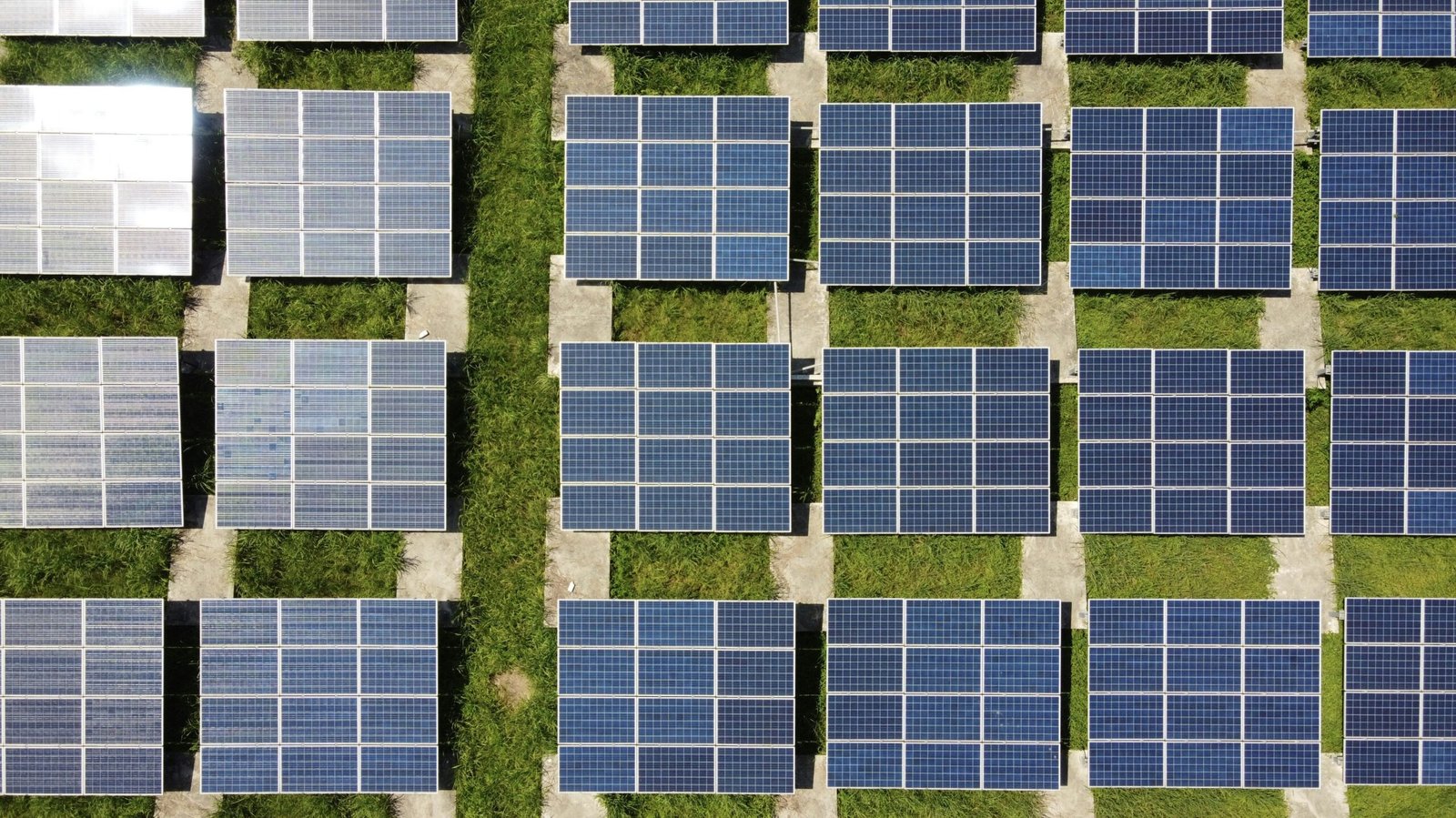
The shift towards renewables is largely attributed to the unprecedented growth of solar energy. Solar power alone accounted for a significant 13% of the EU’s electricity generation, thanks to a consistent annual growth rate exceeding 20%. Wind energy also played a crucial role, maintaining its position as the second-largest source of electricity despite slight fluctuations in output.
In 2025, renewables, including wind, solar, and hydropower, provided nearly half of the EU’s electricity, with wind and solar together achieving a 30.1% share. This trend is evident across multiple member states, with countries like the Netherlands and Croatia making remarkable progress in solar and wind capacity.
Challenges in the Transition
While the rise of renewables is promising, it also exposes vulnerabilities within the EU’s energy infrastructure. The existing power grid, described as “outdated,” struggles to accommodate the variable nature of wind and solar energy. This has prompted calls for modernization efforts, including the expansion of grid capacity and the incorporation of advanced battery storage solutions.
“The challenge now is not generation, but how quickly Europe can deploy grids, batteries, and flexibility,” said Petras Katinas, an analyst at the Centre for Research on Energy and Clean Air.
Petras Katinas
Geopolitical Implications
The EU’s transition to renewable energy is also intertwined with geopolitical factors. The bloc’s decreasing reliance on fossil fuels, particularly imported gas, is seen as a strategic move to enhance energy security and reduce vulnerability to external pressures. However, this shift has stirred tensions, especially with major energy-exporting nations.
As the EU aims to phase out its dependence on Russian gas by 2027, there is a pressing need to bolster domestic renewable energy capabilities. This includes the development of local battery production to avoid dependency on countries like China.
Future Outlook
Looking ahead, the EU’s renewable energy journey is poised to accelerate, driven by technological advancements and strategic policy measures. However, achieving a seamless integration of renewables into the power grid remains a critical challenge. Success in this endeavor will not only solidify the EU’s position as a leader in clean energy but also contribute to global efforts in combating climate change.
Key Takeaways
- 2025 saw wind and solar surpass fossil fuels in the EU’s power generation for the first time.
- Solar energy’s rapid growth is central to the EU’s renewable energy expansion.
- Modernizing the power grid is essential to support the increasing share of renewables.
Conclusion
The EU’s achievement in 2025 is a testament to the potential of renewable energy to transform power systems. However, to maintain this trajectory, significant investments in infrastructure and technology are imperative. As the EU continues to navigate the complexities of energy transition, it sets a precedent for other regions in the global shift towards sustainable energy solutions.