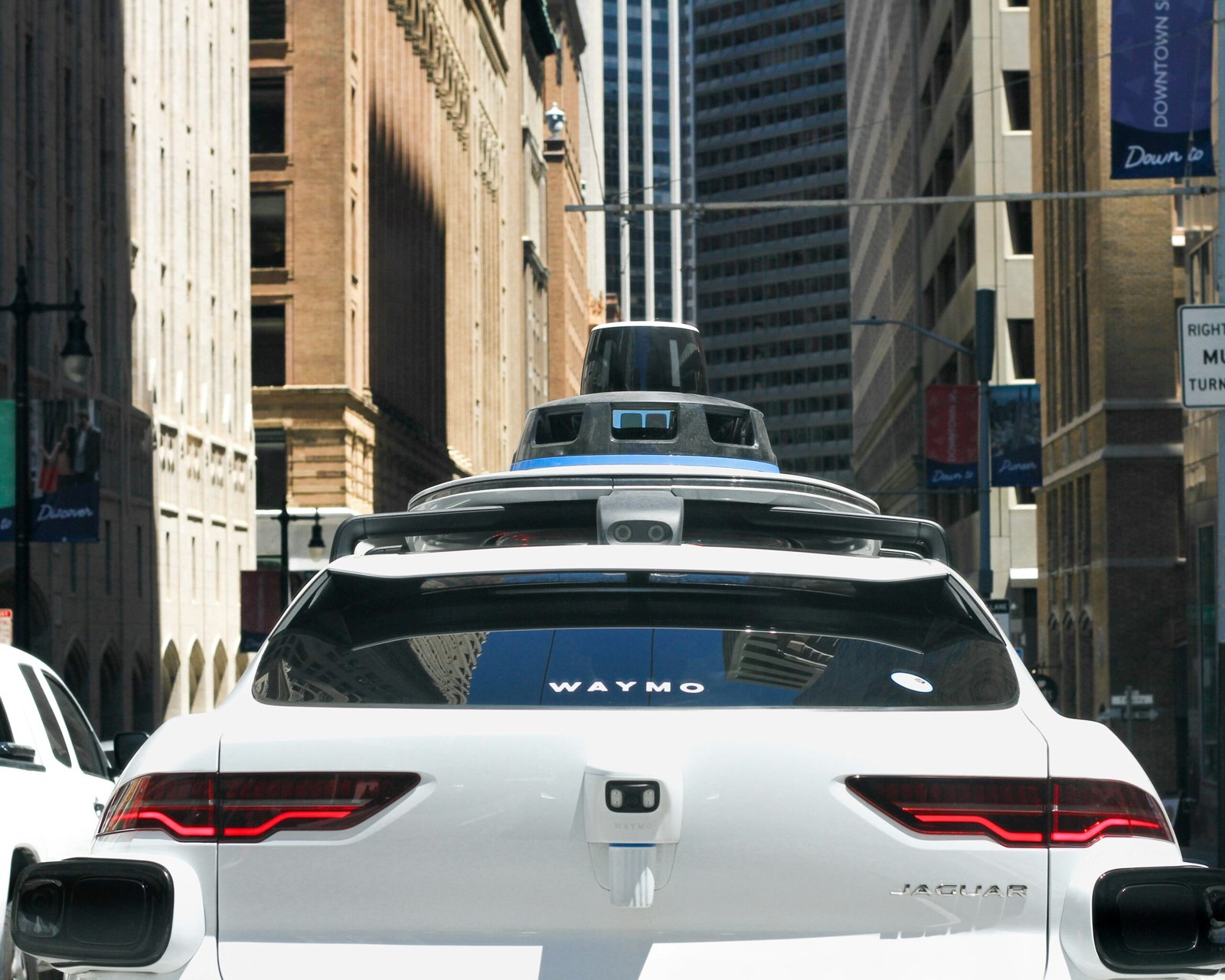
As autonomous vehicles (AVs) continue to rove the streets of major cities, they bring with them both innovation and new challenges. Waymo, a leader in the self-driving car revolution, finds itself in an unexpected predicament: its robotaxis sometimes find themselves stranded with doors ajar. This seemingly minor issue has led to a unique human intervention strategy, revealing the current limitations of AVs and the ongoing need for human oversight.
The Unexpected Role of Human Intervention
In bustling urban landscapes, Waymo’s driverless taxis are navigating the complexities of city streets. However, these sophisticated vehicles can become temporarily incapacitated if a passenger fails to ensure that doors are properly shut. This minor oversight can cause significant operational hiccups, as the vehicles are designed to remain stationary until all doors are securely closed. Enter the human element: Waymo has devised a pragmatic solution by offering a $22 incentive to individuals who assist in closing these open doors, often through an app called Honk, which connects them to local tow truck operators.
Assessing the Cost of Automation
While the integration of AVs into daily life represents a leap forward in transportation technology, it highlights the intricate balance between automation and human labor. Waymo’s situation underscores that while AVs can handle complex driving scenarios, they are still vulnerable to simple human errors. This dependency on human intervention not only reflects the current technological limits but also introduces a new job niche, as workers in cities like Los Angeles and San Francisco step in to fill the gaps left by technology.
Potential Solutions and Future Implications
The current workaround of paying individuals to close doors is a short-term fix that exposes a larger question: how can AVs be improved to reduce reliance on humans for basic operational duties? Some suggest that incorporating automatic door-closure mechanisms, similar to those in Tesla vehicles, could be a viable solution. Additionally, Waymo’s ongoing expansion into new markets like Miami and Dallas may drive further technological advancements to address these challenges.
Key Takeaways
- Waymo’s robotaxis can become stranded due to simple issues like doors being left open, necessitating human intervention.
- The reliance on human labor to solve these problems highlights the current limitations of autonomous vehicle technology.
- Future improvements may include automatic door-closure systems to reduce the need for manual assistance.
Conclusion
The intersection of autonomous technology and human labor presents both challenges and opportunities. As Waymo continues to refine its technology, the need for human intervention serves as a reminder that even the most advanced systems can benefit from a human touch. While the future of transportation is undeniably automated, the present still relies on a symbiotic relationship between machines and humans to navigate the complexities of real-world operation.