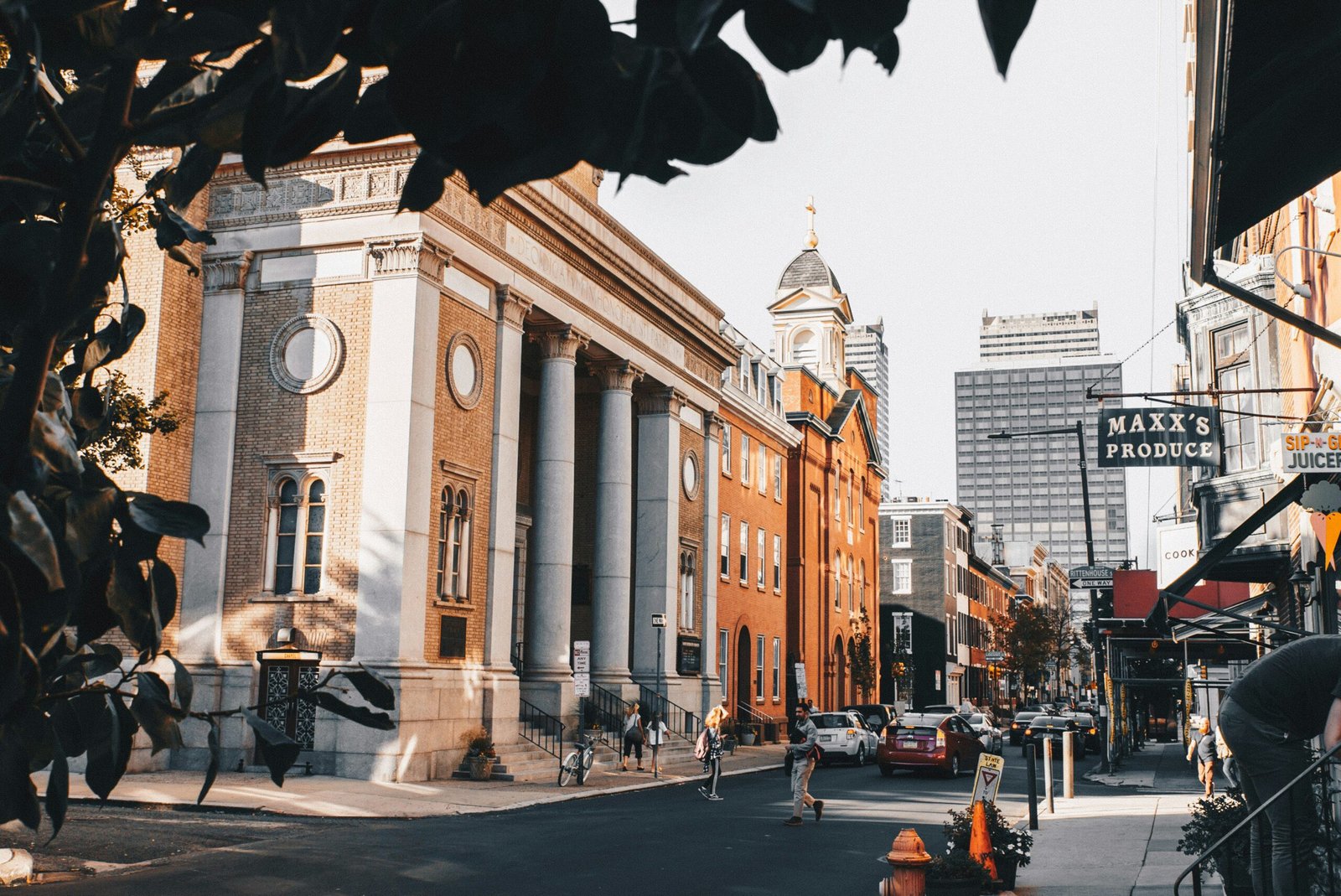
The Philadelphia accent stands as one of America’s most distinctive yet underappreciated regional dialects. Far from being a mere curiosity, this linguistic phenomenon offers profound insights into urban language evolution, cultural identity, and the complex forces that shape how communities speak.
The Unmistakable Philly Sound
Philadelphia’s accent defies easy categorization within the Mid-Atlantic dialect family. While neighboring cities like New York and Boston are known for dropping their ‘r’ sounds (non-rhotic speech), Philadelphia maintains strong ‘r’ pronunciation—a rhotic characteristic that immediately distinguishes it from its northeastern counterparts. This fundamental difference creates a sonic fingerprint that linguists can identify within seconds of hearing it.
Historical Roots and Linguistic Evolution
The Philadelphia accent emerged from a complex blend of colonial-era influences. English, Irish, and Scottish settlers each contributed phonetic elements that would eventually coalesce into the modern Philly sound. However, contrary to popular belief that regional accents are disappearing, Philadelphia’s dialect continues to evolve rather than fade. Recent sociolinguistic studies show the accent adapting to demographic changes while retaining its core characteristics—a testament to language’s remarkable resilience.
“Language is never static—it’s a living system that reflects the communities that speak it, constantly adapting while preserving its essential character.”
— Hedge
Distinctive Phonetic Features
The Philadelphia accent’s most recognizable features center on its unique vowel system. The “cot-caught” merger creates the distinctive “awn” pronunciation of words like “on” and “coffee.” Perhaps most famously, the word “water” becomes “wooder” through a process linguists call the Northern Cities Vowel Shift. The accent also exhibits systematic consonant cluster reduction—”Eagles” becomes “Iggles,” and “attitude” transforms into “addytood.” These aren’t random corruptions but consistent phonological patterns that follow predictable linguistic rules.
Cultural Significance and Media Representation
Despite its linguistic richness, the Philadelphia accent has historically received less media attention than Boston or New York dialects. This underrepresentation has created a curious cultural dynamic where locals simultaneously take pride in their distinctive speech while seeing it marginalized in popular culture. Notable Philadelphia natives like Kevin Bacon have occasionally brought authentic Philly pronunciation to mainstream media, though such instances remain relatively rare compared to other regional accents.
Key Takeaways
- Philadelphia maintains rhotic pronunciation, distinguishing it from other northeastern urban accents
- The accent features systematic vowel shifts and consonant cluster reductions following predictable linguistic patterns
- Rather than disappearing, the dialect continues evolving while preserving its core phonetic identity
- The accent represents a unique case study in urban linguistic development and cultural preservation
Conclusion
The Philadelphia accent represents far more than regional speech patterns—it embodies the linguistic DNA of a major American city. As sociolinguists continue studying its evolution, the Philly accent serves as a compelling example of how language adapts to social change while maintaining cultural continuity. For residents and visitors alike, understanding this dialect offers a deeper appreciation of Philadelphia’s complex identity and enduring character.