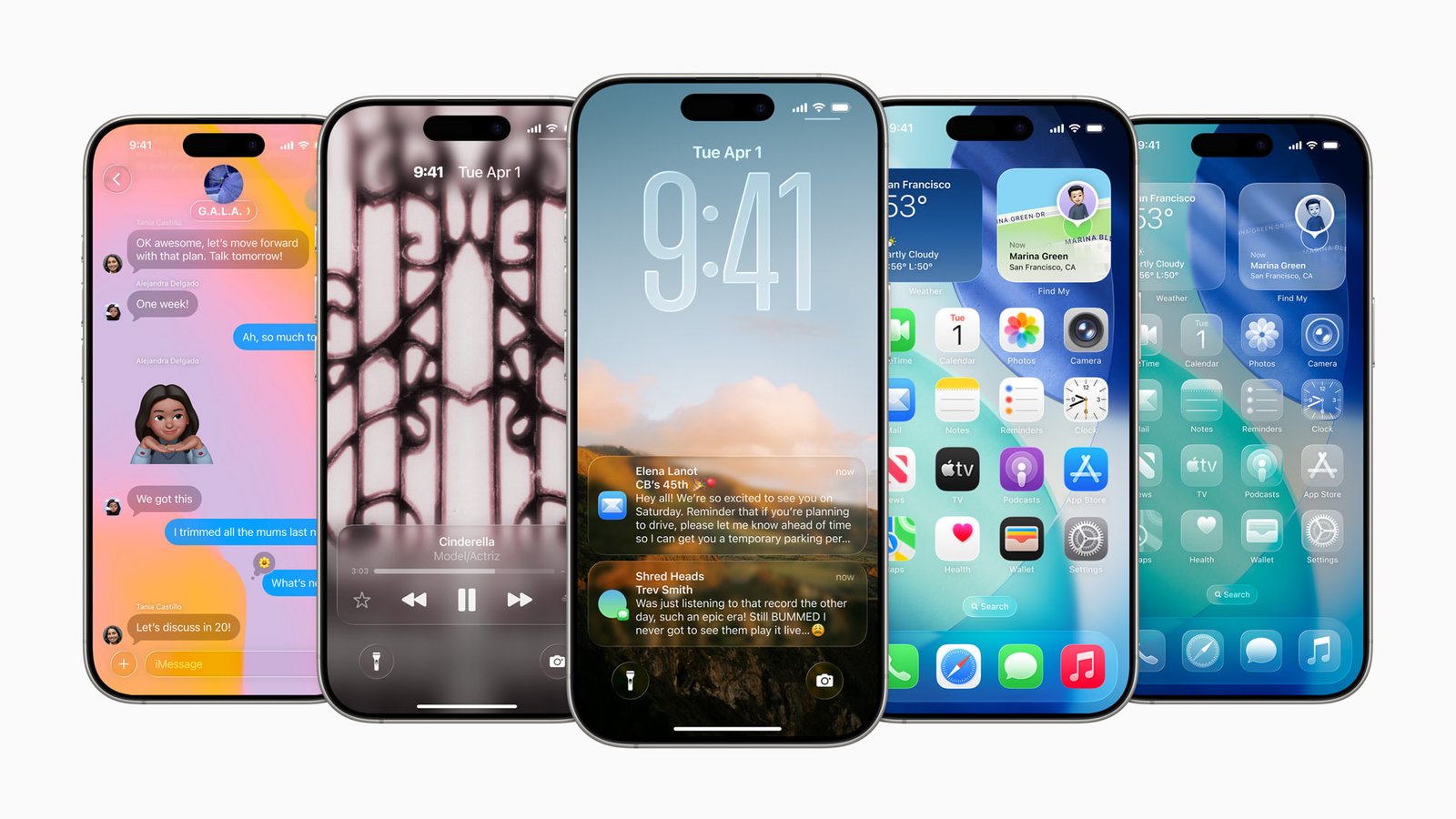
As we approach 2025, technology continues to evolve at a rapid pace. New gadgets promise to transform the way we live, work, and play. Whether you’re a tech enthusiast or someone looking for practical innovations, the year 2025 offers a variety of exciting gadgets that are poised to make an impact. In this blog post, we’ll explore the top 10 must-have gadgets for 2025, diving into their features, pros, and cons, so you can make informed decisions. Let’s dive into the future of tech and explore what’s on the horizon!
1. AI-Powered Smart Glasses
AI-powered smart glasses are set to revolutionize the wearable tech space in 2025. These glasses are equipped with augmented reality (AR) and artificial intelligence (AI) to help users interact with their environment in ways never before possible. Imagine receiving instant translations of foreign languages or navigating through complex city streets with the help of visual overlays right in your line of sight.
Features:
-
Real-time translations and visual overlays
-
Hands-free navigation and controls
-
Built-in voice assistant integration
-
Sleek and stylish design
Pros:
-
Seamless integration with smartphones
-
Convenience of hands-free use
-
Enhanced productivity with multitasking capabilities
Cons:
-
Limited battery life
-
High price point
2. Next-Gen Smartphones
The smartphones of 2025 are expected to push the limits of what we know about mobile devices. From improved processing power to groundbreaking display technology, these smartphones will be even faster, smarter, and more intuitive.
Features:
-
5G/6G support
-
Foldable and flexible screens
-
Ultra-fast charging
-
Integrated AI for personalized experiences
Pros:
-
Incredible performance
-
Stunning display and graphics
-
Advanced camera systems for professional-quality photos
Cons:
-
Potentially expensive
-
Limited availability of foldable tech
3. Autonomous Personal Vehicles
In 2025, autonomous vehicles will be closer to becoming a reality for everyday consumers. These self-driving cars promise to revolutionize transportation, providing a safer and more efficient way to travel. Whether for personal use or as a service, autonomous vehicles are set to reshape urban mobility.
Features:
-
Fully autonomous driving capability
-
Smart sensors for hazard detection
-
Integration with smart city infrastructure
-
Advanced entertainment and productivity features
Pros:
-
Reduced human error in driving
-
Increased convenience and productivity
-
Improved fuel efficiency
Cons:
-
High cost of implementation
-
Regulatory and safety challenges
4. Smart Home Automation Hub
Smart home devices are not new, but in 2025, we will see a more cohesive and integrated home automation experience. With AI integration, these hubs will allow seamless control of everything from lighting and security systems to entertainment and climate control.
Features:
-
Voice-controlled automation
-
AI-driven personalized settings
-
Energy efficiency optimizations
-
Security surveillance integration
Pros:
-
Convenience and ease of control
-
Customizable smart settings for comfort
-
Increased home security
Cons:
-
Initial setup can be complex
-
Potential privacy concerns with data collection
5. Wearable Health Monitors
2025 will see a boom in health-monitoring wearables that go beyond tracking steps. These devices will monitor a wide range of health metrics, from blood pressure and glucose levels to stress and sleep patterns.
Features:
-
Continuous health monitoring
-
Integration with health apps and cloud data
-
Advanced sensors for early detection of health issues
-
Customizable wellness reports
Pros:
-
Proactive health monitoring
-
Early detection of potential health problems
-
Encourages healthier lifestyles
Cons:
-
Limited to people who are comfortable with continuous health monitoring
-
May require regular updates or calibration
6. Quantum Computing Devices for Consumers
Quantum computing, once the domain of scientists, will begin to see applications in consumer tech in 2025. While not yet at the level of personal laptops or smartphones, quantum computing devices for specialized tasks are expected to arrive, making processes like complex data analysis and cryptography easier and more efficient.
Features:
-
Increased processing power compared to classical computers
-
Ability to solve problems that were previously unsolvable
-
Enhanced cybersecurity capabilities
Pros:
-
Breakthrough advancements in computing
-
Efficient data processing and analysis
-
Improved security for digital transactions
Cons:
-
Currently expensive and niche
-
Requires specialized knowledge to use
7. Virtual Reality (VR) Headsets for Immersive Experiences
Virtual Reality (VR) is no longer just for gaming enthusiasts. In 2025, VR technology will provide immersive experiences for education, entertainment, and even remote work. The VR headsets coming to market will be lighter, more comfortable, and packed with enhanced features.
Features:
-
Enhanced resolution and field of view
-
Lightweight design for extended use
-
Integration with a wide range of applications, from games to virtual conferences
Pros:
-
Fully immersive experiences
-
Versatile applications in entertainment and work
-
Great for training simulations and education
Cons:
-
Can cause motion sickness in some users
-
Limited content availability
8. Smart Wearable Cameras
Wearable cameras will be a game-changer in 2025, offering ultra-portability and hands-free video recording for a wide variety of activities. These devices can be clipped onto clothing or worn as glasses, allowing users to capture life’s moments without pulling out a smartphone or traditional camera.
Features:
-
HD video recording
-
Motion-sensing capabilities
-
Seamless connection to cloud storage for instant uploading
Pros:
-
Compact and easy to use
-
Hands-free video recording
-
Real-time sharing to social media
Cons:
-
Limited battery life
-
May not capture high-quality video in all conditions
9. Robotic Home Assistants
2025 will bring us even closer to the idea of having robot helpers around the house. These robots will assist with chores, grocery shopping, and even companionship for those who need it. Whether you’re looking for help with cleaning or simply need a social companion, robotic home assistants will offer plenty of options.
Features:
-
Advanced AI for task management
-
Voice-activated commands
-
Ability to learn and adapt to home routines
Pros:
-
Increased convenience and efficiency
-
Freedom from mundane tasks
-
Can assist elderly or disabled individuals
Cons:
-
High price point
-
Concerns over privacy and security
10. Solar-Powered Gadgets
As sustainability continues to gain importance, 2025 will bring more solar-powered gadgets to the market. These devices will allow users to harness renewable energy for everyday tasks, reducing reliance on traditional power sources.
Features:
-
Solar panels for charging
-
Eco-friendly and energy-efficient
-
Available in a wide range of gadgets from chargers to outdoor lighting
Pros:
-
Environmentally friendly
-
Reduces energy consumption
-
Convenient for off-the-grid use
Cons:
-
Limited efficiency depending on weather
-
Higher initial cost compared to traditional gadgets
Comparison Chart: Top Gadgets for 2025
| Gadget | Key Feature | Pros | Cons |
|---|---|---|---|
| AI-Powered Smart Glasses | Real-time translations and AR | Hands-free use, enhances productivity | Expensive, limited battery life |
| Next-Gen Smartphones | 5G/6G support, foldable screens | Advanced performance, incredible display | High price, foldable limitations |
| Autonomous Personal Vehicles | Self-driving technology | Safer, more efficient transport | Expensive, regulatory hurdles |
| Smart Home Automation Hub | AI-driven home control | Convenience, energy efficiency | Setup complexity, privacy concerns |
| Wearable Health Monitors | Continuous health tracking | Proactive health monitoring | Privacy concerns, costly |
| Quantum Computing Devices | Advanced data processing capabilities | Breakthrough computing power | Niche, expensive |
| VR Headsets | Immersive virtual experiences | Versatile, immersive | Motion sickness, limited content |
| Smart Wearable Cameras | Hands-free video recording | Compact, easy sharing | Limited battery life |
| Robotic Home Assistants | Task management, companionship | Efficient, good for elderly assistance | Expensive, privacy concerns |
| Solar-Powered Gadgets | Solar panel charging | Eco-friendly, reduces energy consumption | Limited efficiency, high cost |
FAQ
Q1: What makes AI-powered smart glasses unique?
AI-powered smart glasses combine augmented reality and artificial intelligence to offer real-time translations, smart navigation, and hands-free controls, revolutionizing how we interact with the world around us.
Q2: Are autonomous vehicles safe?
While autonomous vehicles significantly reduce human error, they still face challenges such as regulatory approval and the need for constant software improvements to ensure safety.
Q3: How do wearable health monitors work?
These wearables use advanced sensors to track various health metrics, such as heart rate, blood pressure, and sleep patterns, sending the data to connected apps for analysis and insights.
Conclusion
2025 promises to be an exciting year for tech enthusiasts, with a variety of groundbreaking gadgets on the horizon. Whether you’re looking to enhance your home life with smart automation, improve your health with wearables, or experience immersive virtual worlds, these gadgets are set to offer something for everyone. As technology continues to evolve, staying ahead of the curve with these innovations will help ensure that you’re making the most out of the future. Stay tuned for more updates, and get ready to embrace the tech of tomorrow!
References: