The Trump Organization’s foray into the smartphone industry with its gold-colored T1 mobile phone has been met with delays, skepticism, and a fair share of controversy. Initially heralded as a luxurious yet affordable alternative to dominant players like Apple and Samsung, the T1’s journey to market has been anything but smooth. This venture, spearheaded by Trump’s sons, Donald Jr. and Eric, represents a bold step into a highly competitive and regulated sector. But what does this mean for the telecommunications landscape, and what are the broader implications of this move?
A Golden Ambition
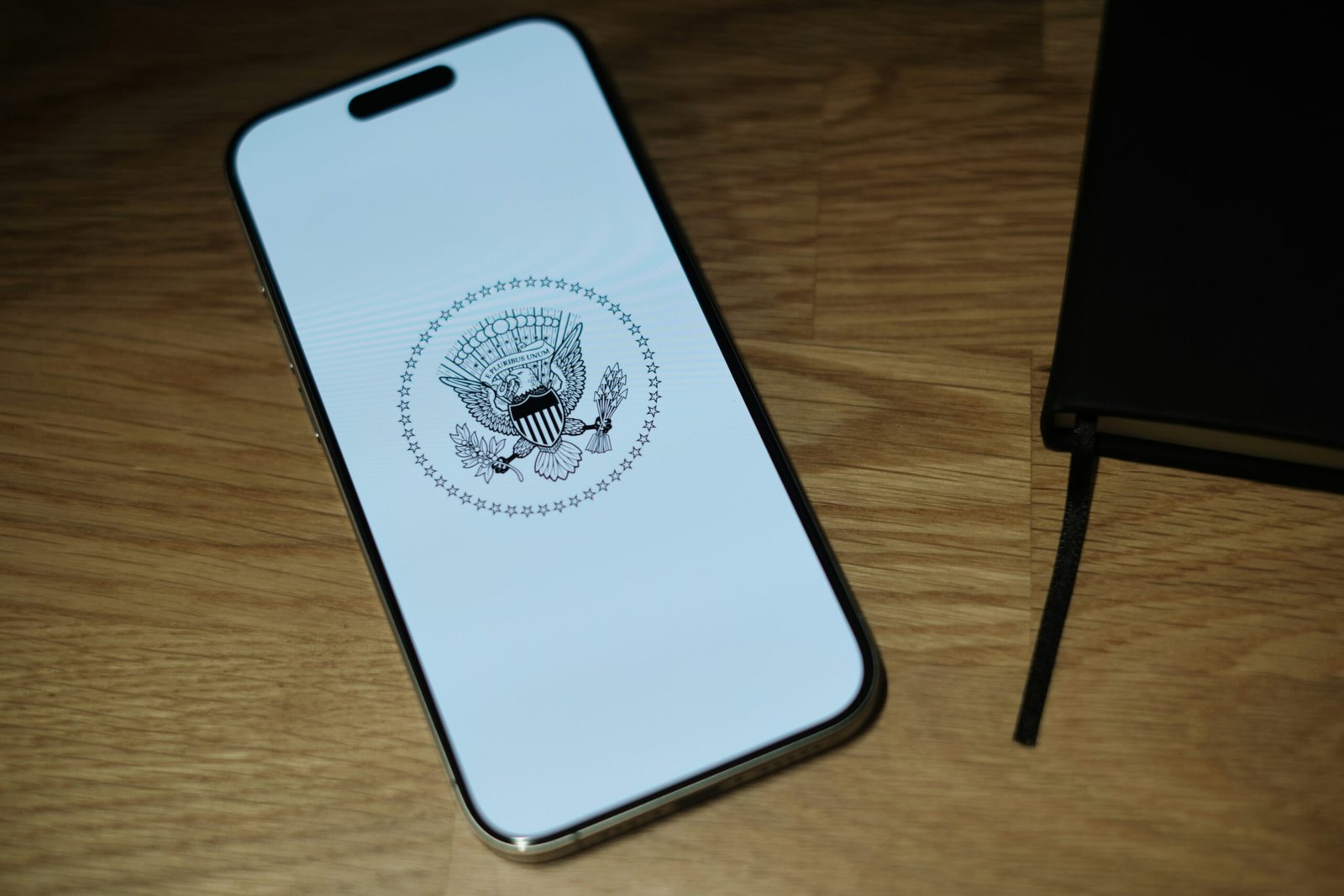
The Trump Organization announced its intentions to enter the mobile phone market with the T1, a $499 device adorned with a gold casing and the American flag. Promoted as “proudly American,” this smartphone was marketed alongside a $47.45 monthly service plan—a nod to Donald Trump’s tenure as the 47th president. Features like a 50MP camera, 5000mAh battery, and mid-range specifications were intended to position the T1 as a luxury device at an accessible price point.
However, the launch has been marred by delays attributed to a government shutdown, pushing the release date to the end of January. This has sparked skepticism about the project’s feasibility and execution, especially given the already saturated and fiercely competitive smartphone market dominated by foreign manufacturers.
Regulatory and Ethical Quandaries
Entering a sector regulated by federal agencies, some of which fall under the executive authority of the Trump administration, has raised eyebrows about potential conflicts of interest. The Federal Communications Commission (FCC), for instance, plays a critical role in overseeing telecommunications operations, placing its chairman in a precarious position given the Trump brand’s involvement.
“There is no way the phone was designed from scratch and there is no way it is going to be assembled in the U.S. or completely manufactured in the U.S.,” said Francisco Jeronimo, Vice President at International Data Corp.
Such statements challenge the authenticity of the “Made in the USA” claim, highlighting potential discrepancies between marketing and manufacturing realities.
Market Challenges and Consumer Perception
The T1 faces an uphill battle against tech giants like Apple and Samsung, which hold a strong grip on the U.S. market. The introduction of refurbished phones from these brands on Trump Mobile’s platform further complicates the brand’s positioning. With higher prices for refurbished devices compared to new models sold by the original manufacturers, consumer perception could be negatively impacted.
Moreover, the attempt to blend political branding with tech innovation has been met with mixed reactions. California Governor Gavin Newsom’s sardonic response, “You don’t say,” encapsulates the skepticism surrounding the venture’s viability and authenticity.
Key Takeaways
- The Trump Organization’s T1 smartphone launch is delayed, raising questions about the project’s execution and market readiness.
- Potential conflicts of interest exist due to the Trump brand’s involvement in a heavily regulated sector.
- Challenges from established competitors and consumer skepticism pose significant hurdles for the T1’s success.
Conclusion
Trump Mobile’s attempt to disrupt the smartphone market with its gold-adorned T1 device blends political branding with tech ambitions. However, the project’s delays, regulatory concerns, and market challenges highlight the complexities of entering such a competitive industry. As the launch date looms, the ability of Trump Mobile to deliver on its promises remains a critical question, one that will ultimately determine its place in the tech landscape.