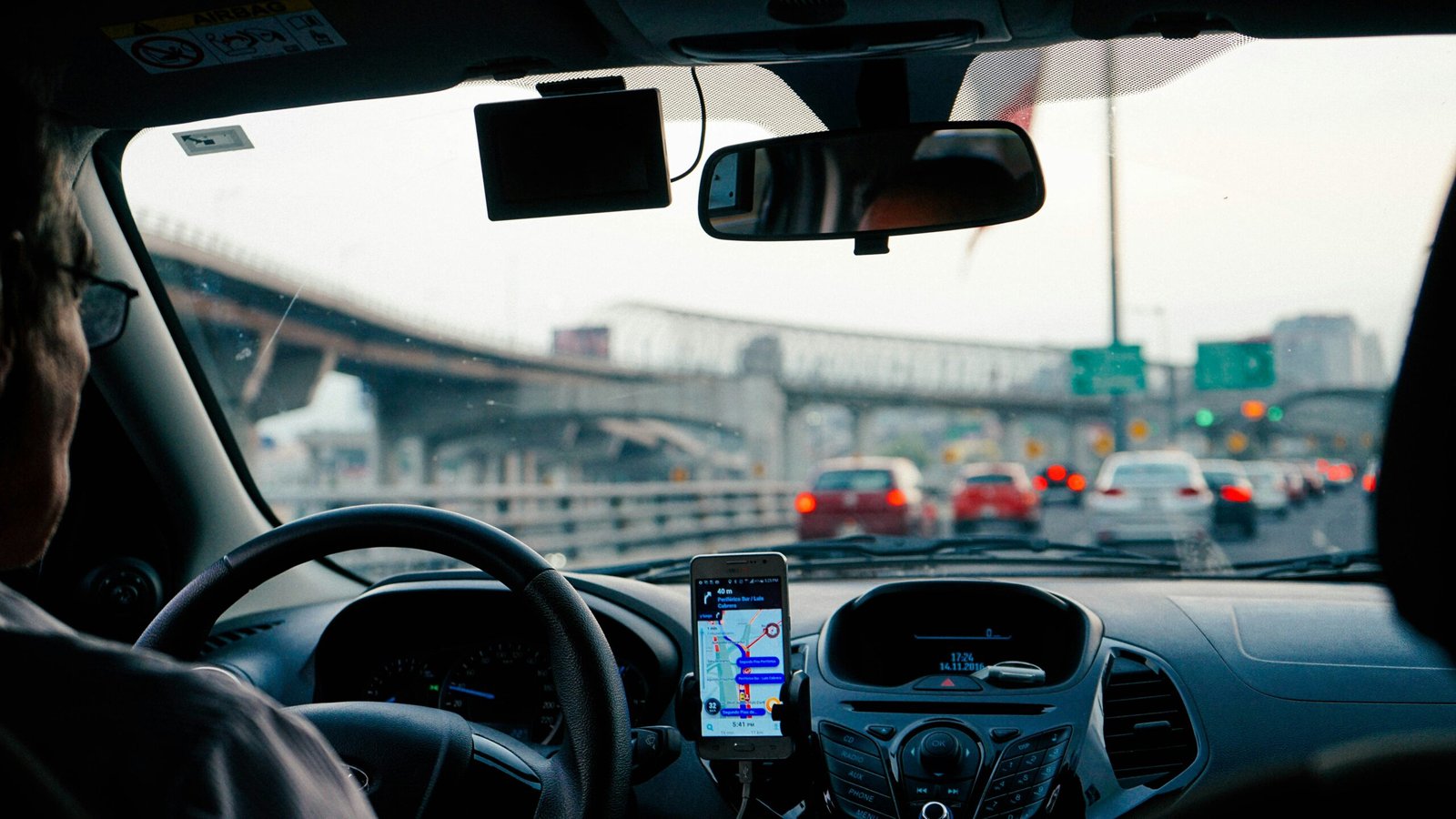
Uber is accelerating its journey into the future with a two-pronged approach: a bold expansion of its robotaxi fleet and a significant increase in its human driver workforce. This dual strategy not only highlights Uber’s adaptability in the evolving transportation landscape but also underscores its ambition to dominate both autonomous and traditional ride-hailing sectors.
Autonomous Ambitions with Lucid’s Electric Vehicles
In a significant push towards autonomous transportation, Uber has teamed up with Lucid Motors to integrate 20,000 Lucid electric vehicles (EVs) into its fleet over the next six years. These vehicles will be equipped with Nuro’s AI-powered autonomous driving technology, aiming to revolutionize the ride-hailing experience with nearly fully self-driving capabilities. The introduction of these robotaxis is slated for late 2026 in a major U.S. city, marking a pivotal moment in Uber’s autonomous vehicle strategy.

Boosting Human Resources in the UK
While Uber charges forward with its autonomous vehicle plans, it hasn’t lost sight of the importance of human drivers. In the UK, Uber plans to bolster its driver network by adding 20,000 new drivers, bringing the total to 90,000. This move comes as cities reopen and demand for rides surges, driven in part by the easing of pandemic restrictions. The expansion not only addresses immediate demand but also reflects Uber’s commitment to providing employment opportunities and adapting to regulatory changes, such as offering drivers basic employment protections.
Implications for Uber’s Future
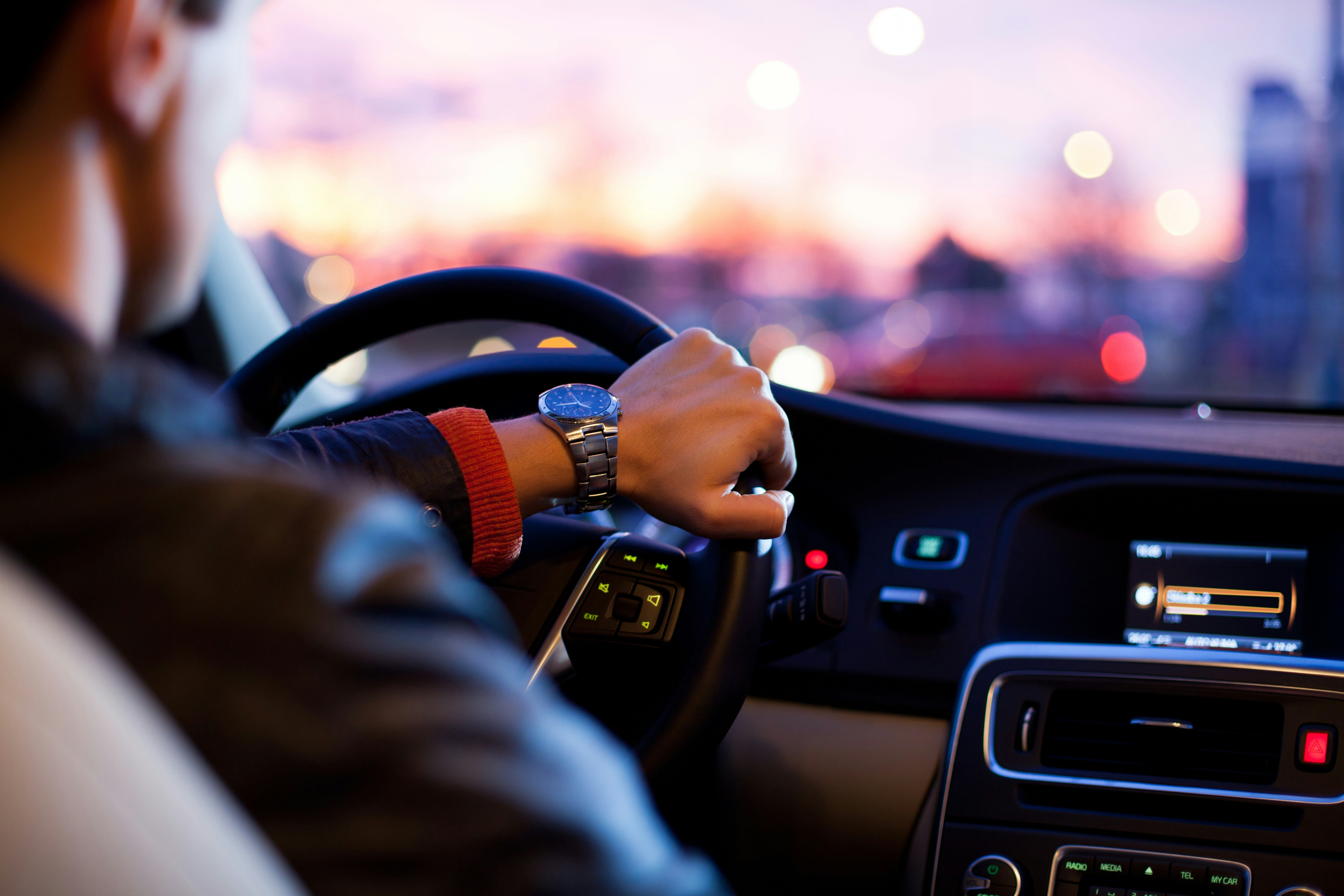
Uber’s simultaneous investment in autonomous technology and human resources indicates a balanced strategy to meet both current and future market needs. By expanding its robotaxi fleet, Uber positions itself at the forefront of the autonomous vehicle race, promising increased efficiency and reduced operational costs. Meanwhile, enhancing its driver network ensures that the company can cater to immediate demand spikes and navigate the complexities of regional labor laws.
Conclusion
As Uber navigates the post-pandemic landscape, its dual approach of embracing cutting-edge technology while strengthening its traditional operations may set a precedent for the future of ride-hailing. Whether through the hum of an electric engine or the familiar interaction with a driver, Uber is poised to offer a comprehensive transportation solution that caters to diverse consumer preferences and regulatory landscapes.