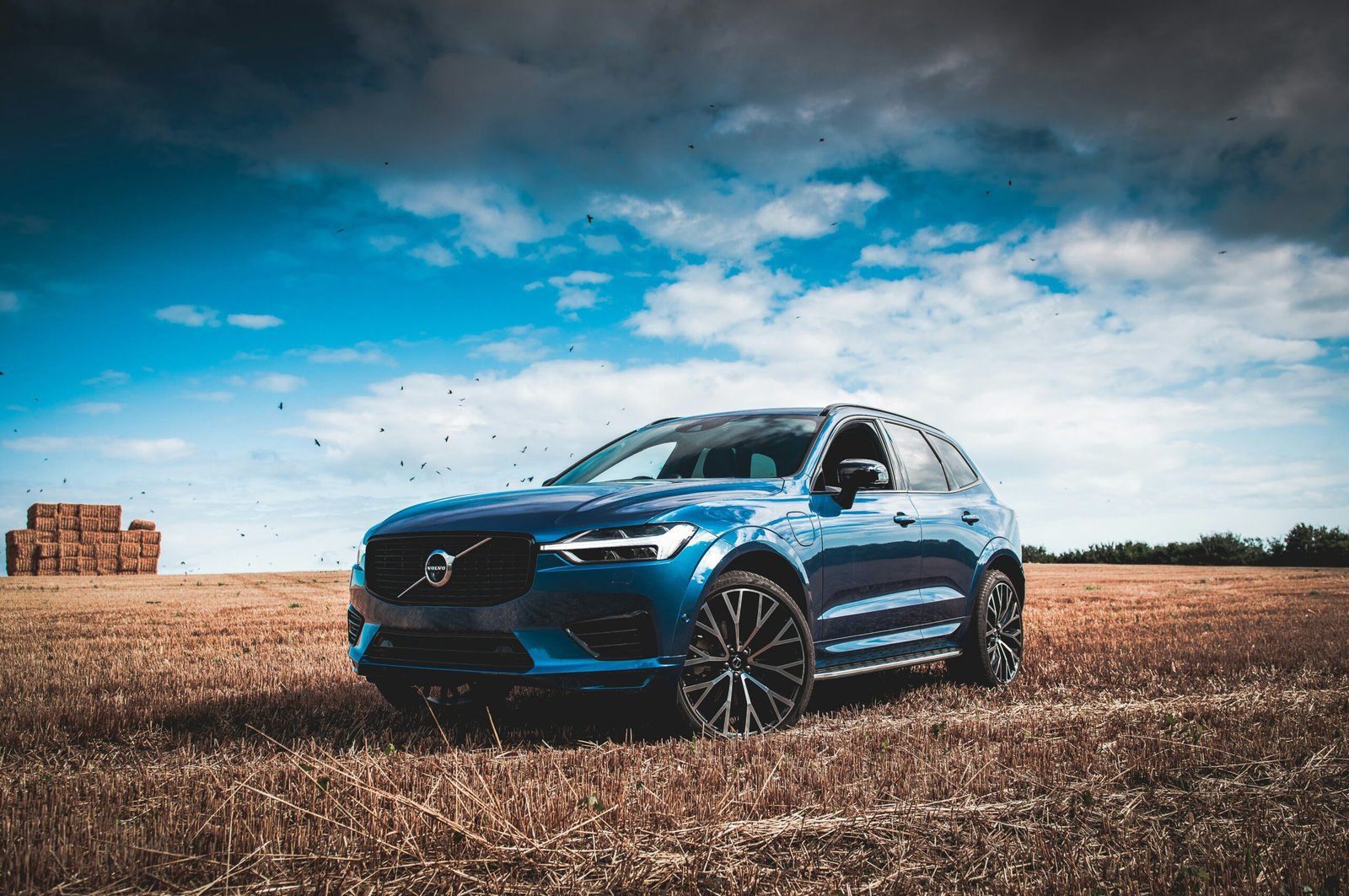
The automotive industry’s shift toward software-defined vehicles has created new opportunities—and new pitfalls. Volvo’s experience with the EX90 electric SUV exemplifies both sides of this transformation. What began as a flagship launch in 2025 quickly devolved into a customer relations nightmare, forcing the Swedish automaker to take the extraordinary step of replacing every EX90’s central computer system. This unprecedented move offers crucial insights into the challenges facing legacy automakers as they navigate the complex intersection of traditional manufacturing and cutting-edge technology.
The EX90’s Troubled Launch
Volvo positioned the 2025 EX90 as a technological showcase—a seven-seat electric SUV that would demonstrate the company’s mastery of software-defined vehicle architecture. Instead, it became a textbook case of premature product launch. Customers encountered a cascade of software failures: key fobs that wouldn’t reliably unlock doors, infotainment systems that froze mid-drive, and autonomous driving features that failed to deliver promised functionality.
The severity of these issues became clear through customer feedback so scathing that industry observers described the situation as a “dumpster fire inside a train wreck.” More telling was Volvo’s response: rather than attempting incremental fixes, the company announced it would replace the central computing hardware in every existing EX90—a decision that speaks to fundamental architectural flaws rather than mere software bugs.
The 2026 Overhaul: More Than a Simple Upgrade
Volvo’s solution for the 2026 EX90 represents a comprehensive technological reset. At its core is a new Nvidia Drive AGX Orin-based central computer capable of processing over 500 trillion operations per second—a dramatic leap in computational power designed to support the vehicle’s autonomous driving ambitions and complex software ecosystem.
Equally significant is the introduction of an 800-volt electrical architecture, replacing the previous system’s more conventional setup. This upgrade delivers tangible benefits: dramatically reduced charging times and improved energy efficiency that directly address consumer pain points in EV adoption. The enhanced architecture also enables more sophisticated over-the-air updates, theoretically allowing Volvo to continuously improve vehicle performance without requiring service visits.
Broader Industry Implications
Volvo’s EX90 debacle illuminates a critical challenge facing the entire automotive industry. As vehicles become increasingly software-dependent, traditional automotive development cycles—measured in years—clash with the rapid iteration expected in technology products. The result is a fundamental tension between the automotive industry’s safety-first culture and the tech sector’s “move fast and break things” mentality.
The financial implications are substantial. Replacing central computers across an entire model line represents millions in unplanned costs, not to mention the reputational damage from the initial failures. Yet Volvo’s willingness to absorb these costs may establish a new industry standard for addressing software-related vehicle defects—one that prioritizes customer satisfaction over short-term profitability.
Key Takeaways
- Volvo’s complete EX90 computer replacement highlights the risks of rushing software-defined vehicles to market
- The 2026 model’s Nvidia-based architecture and 800-volt electrical system represent a fundamental technological reset
- This episode demonstrates how software failures can force hardware solutions, challenging traditional automotive development approaches
Looking Forward
Volvo’s EX90 transformation represents more than a product recall—it’s a case study in how established automakers must adapt to an era where software capabilities can make or break vehicle launches. The company’s decision to completely overhaul the EX90’s computing architecture, while costly, demonstrates a commitment to long-term brand integrity over short-term cost management.
As the automotive industry continues its software-driven evolution, the EX90’s journey from failure to redemption offers valuable lessons. Success in this new landscape requires not just technological ambition, but also the operational flexibility to course-correct when that ambition outpaces execution. For Volvo, the true test will be whether the 2026 EX90 can deliver on the promises its predecessor failed to keep.