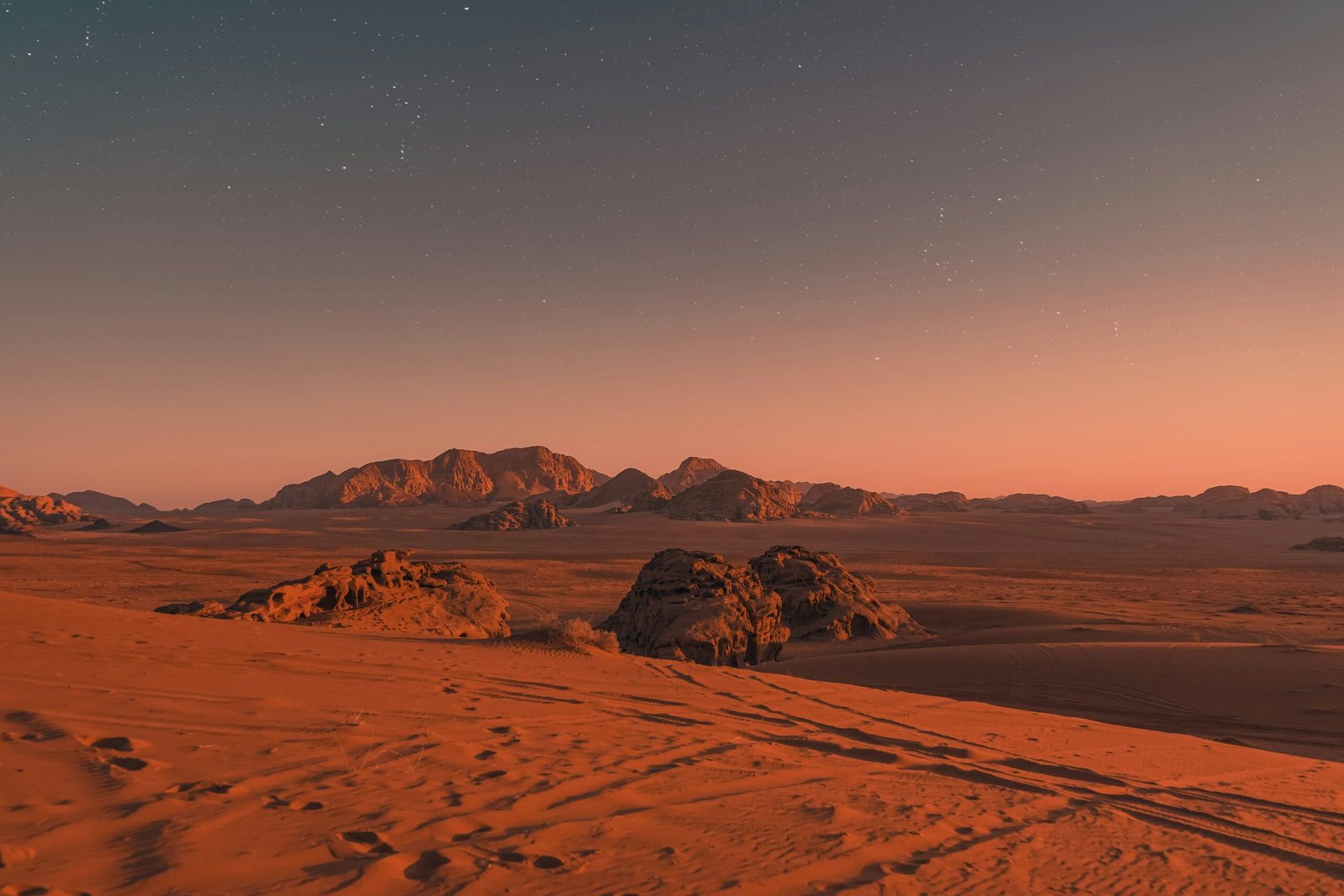
Imagine waking up one day to a world devoid of human presence. This thought experiment stretches the boundaries of imagination, yet it provides a compelling framework for examining Earth’s intricate web of life and humanity’s profound influence on planetary systems.
Nature’s Swift Reclamation
Without human maintenance, Earth would begin an immediate transformation. Cities would surrender to nature’s relentless advance within decades, not centuries. Concrete would crack as roots penetrate foundations, while ivy and vines would scale skyscrapers like green waterfalls. Streets would become corridors for wildlife migration as asphalt buckles under freeze-thaw cycles and vegetation pressure. The atmosphere would clear dramatically—satellite data suggests major pollution reductions would be visible within months, with air quality returning to pre-industrial levels in many regions within years.
The Domestication Dilemma
Our absence would trigger a survival crisis for billions of domesticated animals. Livestock confined in industrial facilities would face immediate starvation, while pets would confront predators and diseases their breeding never prepared them for. However, some species would adapt remarkably. Feral dog populations might form pack structures, while certain cattle breeds could revert to semi-wild behaviors. Within generations, natural selection would favor traits that enhance survival over human-preferred characteristics, potentially creating new evolutionary pathways.
Space: Humanity’s Biological Ceiling
The harsh realities of space exploration underscore our terrestrial limitations. Astronauts experience measurable bone density loss—up to 1.5% per month—and muscle atrophy that can reduce strength by 20% during six-month missions. Radiation exposure, microgravity effects, and psychological isolation create a trinity of challenges that highlight why Earth remains our only viable long-term habitat. These physiological constraints suggest that even if humanity survived terrestrial extinction events, space colonization faces fundamental biological barriers.
The Mathematics of Extinction
Paleontological evidence reveals that 99.9% of all species that ever existed are now extinct, with the average mammalian species surviving roughly one million years. Homo sapiens, at approximately 300,000 years old, remains relatively young in evolutionary terms. While our technology might extend our survival window, it cannot eliminate existential risks entirely—from supervolcanic eruptions and asteroid impacts to potential self-inflicted catastrophes through climate change or nuclear conflict.
Key Takeaways
- Urban infrastructure would collapse within decades as nature reclaims abandoned cities through root systems and weather erosion.
- Domesticated species would face a harsh evolutionary bottleneck, with only the most adaptable surviving to establish feral populations.
- Human physiology remains fundamentally Earth-adapted, making long-term space habitation extremely challenging despite technological advances.
- Statistical analysis of species longevity suggests human extinction is inevitable on geological timescales, regardless of technological progress.
Conclusion
Envisioning Earth without humans reveals both our species’ remarkable impact and nature’s extraordinary resilience. This mental exercise underscores our role as planetary stewards while highlighting the temporary nature of our dominance. Though Earth would ultimately flourish without us—potentially developing entirely new ecosystems—our technological and cultural legacy would persist as archaeological evidence for any future intelligence to discover. The question isn’t whether humanity will eventually disappear, but what kind of world we’ll leave behind.