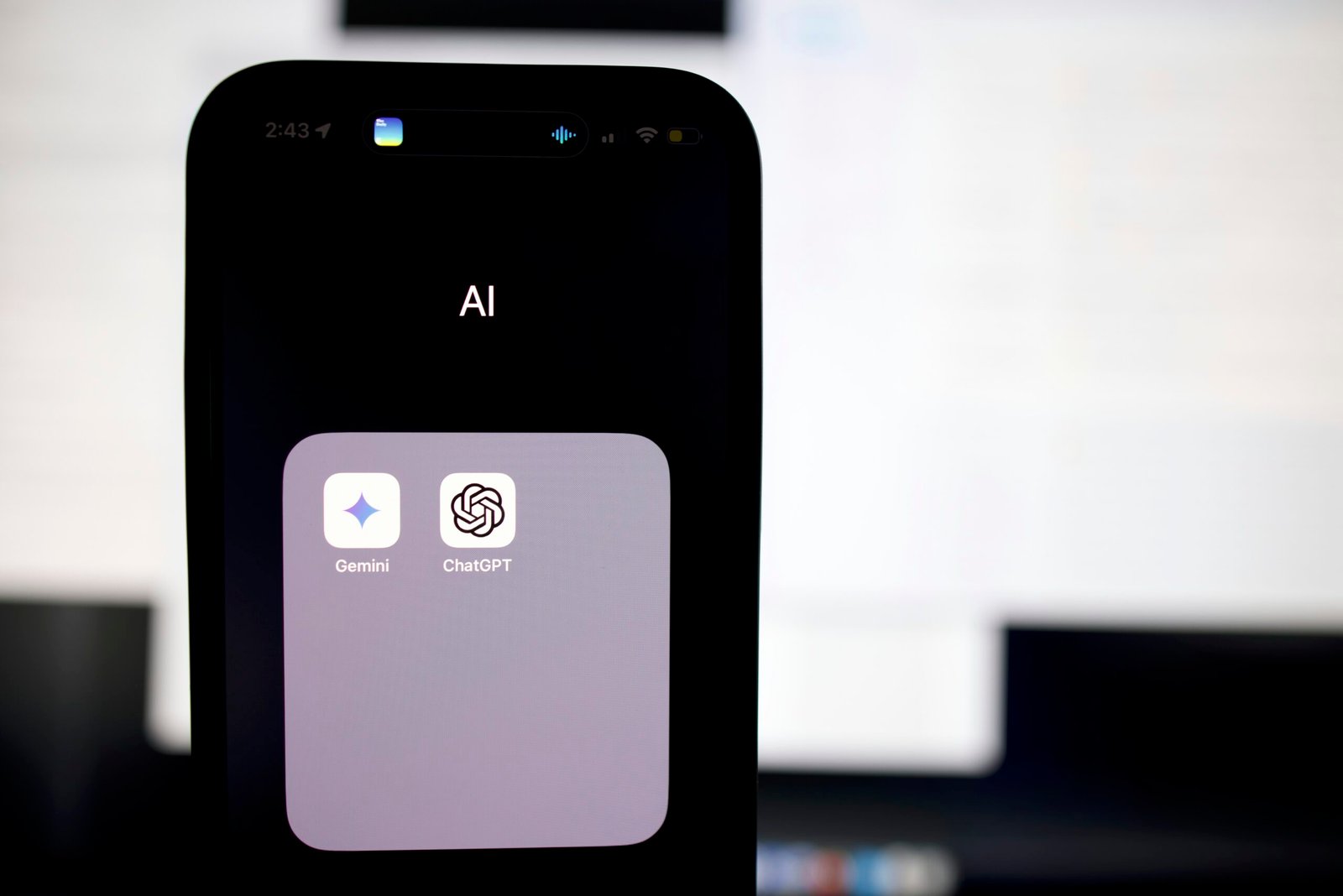
ChatGPT has revolutionized how we interact with AI, demonstrating remarkable capabilities in generating text, answering questions, and assisting with complex tasks. Yet users consistently encounter a puzzling limitation: the AI cannot tell you what time it is. This seemingly simple shortcoming reveals fundamental constraints in how large language models operate and highlights the distinction between conversational AI and real-time computing systems.
The Architecture Behind the Limitation
ChatGPT’s inability to provide current time stems from its core design as a transformer-based language model. Unlike smartphones or computers with built-in system clocks, ChatGPT operates as a stateless system that processes each conversation independently. The model generates responses by analyzing patterns in its training data—a static dataset with a specific knowledge cutoff date—rather than accessing live information streams.
This architectural decision prioritizes consistency and computational efficiency over real-time awareness. When you ask ChatGPT for the time, it lacks the fundamental capability to query system clocks or external time servers. Instead, it can only reference temporal concepts from its training data or attempt to infer context from your conversation, leading to responses like “I don’t have access to real-time information” or outdated time references.
Why Language Models Struggle with Dynamic Data
The challenge extends beyond timekeeping to any task requiring live data access. Large language models excel at pattern recognition and text generation based on historical information, but they fundamentally lack the infrastructure for real-time data retrieval. This creates a clear distinction between what these models can and cannot do effectively.
Consider the difference: ChatGPT can explain time zones, discuss the history of timekeeping, or help you calculate time differences—all tasks that rely on static knowledge. However, telling you it’s currently 3:47 PM requires accessing dynamic information that exists outside the model’s training parameters. This limitation affects not just time queries but also requests for current weather, live stock prices, or breaking news.
Workarounds and Technical Solutions
While ChatGPT’s base model cannot access real-time data, developers have created several approaches to bridge this gap. OpenAI’s API allows integration with external services through function calling, enabling custom applications to provide ChatGPT with current information. Similarly, plugins and third-party tools can extend the model’s capabilities by connecting it to live data sources.
For users experiencing broader functionality issues with ChatGPT—such as login problems, slow response times, or service interruptions—standard troubleshooting steps often help. These include checking your internet connection, clearing browser cache, trying different browsers, or monitoring OpenAI’s status page for service updates. However, these solutions address technical glitches rather than the fundamental architectural limitations we’ve discussed.
Key Takeaways
- ChatGPT’s stateless architecture and reliance on static training data prevent real-time information access, including current time.
- This limitation reflects broader constraints of transformer-based language models in handling dynamic, live data queries.
- Technical solutions exist through API integrations and external tools, though they require additional development work.
The Future of Real-Time AI Assistance
Understanding ChatGPT’s time-telling limitation illuminates the current boundaries of AI technology and points toward future developments. As language models evolve, we’re likely to see more sophisticated integration between conversational AI and real-time data systems. However, these advances will require careful balance between functionality, privacy, security, and computational efficiency.
For now, recognizing these limitations helps set appropriate expectations for AI interactions. ChatGPT remains exceptionally powerful for tasks involving analysis, creativity, and knowledge synthesis—but for knowing what time it is, you’re still better off checking your phone.