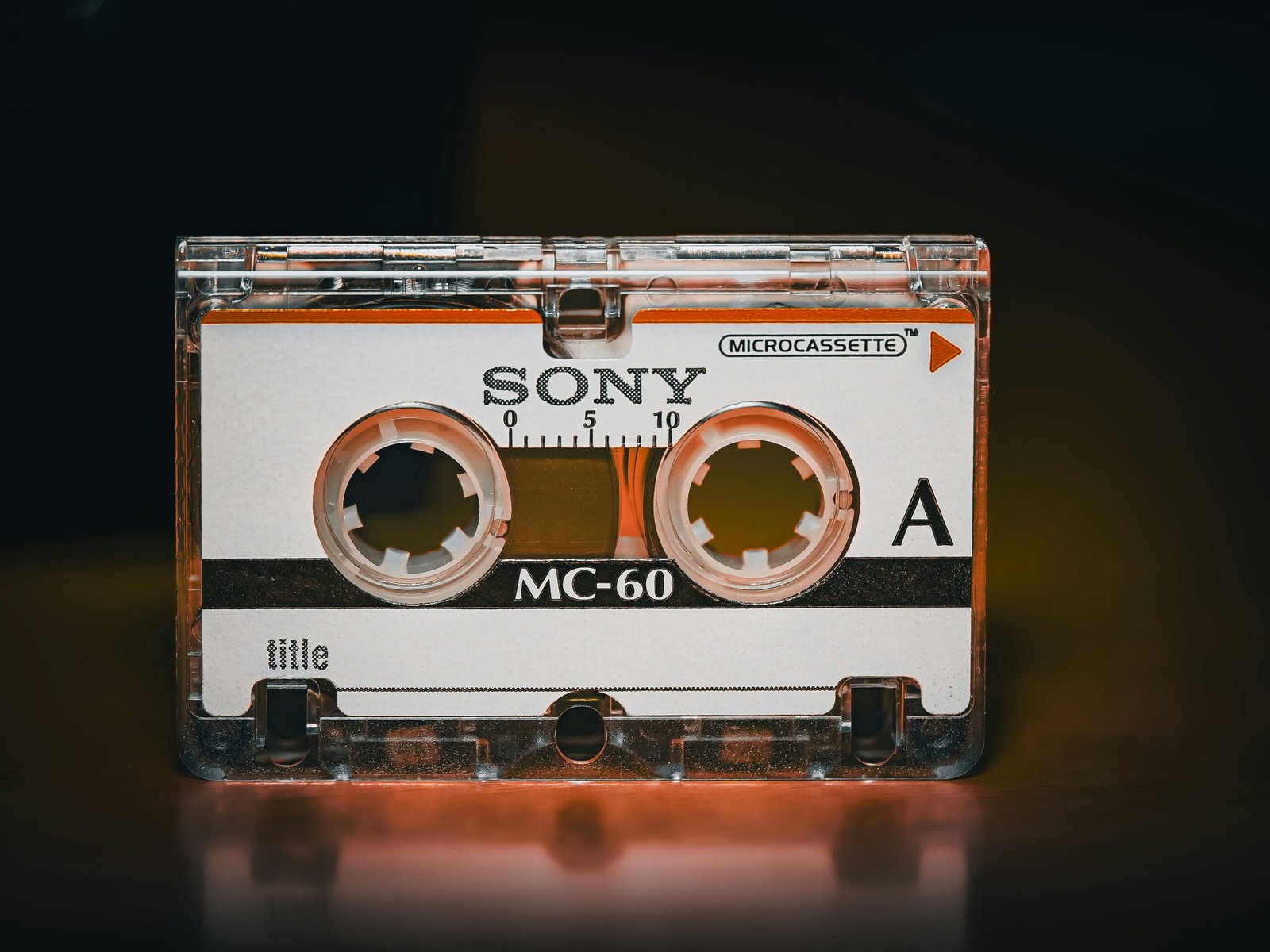
Picture this: a world where music isn’t just a background noise but a tactile experience, where the weight of a cassette in your hand and the anticipation of pressing play brings a sense of authenticity that’s increasingly rare. In our hyper-digital era, a growing number of music enthusiasts are trading the relentless stream of online playlists for the analog nostalgia of cassette tapes. This shift back to physical media isn’t just a trend—it’s a cultural movement, one that questions the very fabric of how we engage with music today.
The Allure of Analog
For many, the decision to step away from streaming giants like Spotify and Apple Music isn’t just about nostalgia; it’s a rebellion against the commodification of music. The impersonal algorithms and endless playlists, while convenient, often strip music of its personality. In contrast, cassettes offer a tangible connection—a reminder of an era when discovering music was an adventure, not just a passive activity.
Tokyo, a city where physical media continues to thrive, becomes a paradise for those seeking this reconnection. Hidden shops in neighborhoods like Shimokitazawa and Nakameguro invite visitors to explore music collections stacked among eclectic decor. It’s a place where the art of music discovery still holds its charm, offering an escape from the digital monotony that dominates much of the Western world.
A Cultural Shift in Music Consumption
The dissatisfaction with streaming services extends beyond a longing for physical media. It’s also intertwined with broader disillusionment towards tech giants. Reports of artists receiving minimal compensation, coupled with controversies like recruitment ads for controversial organizations, have left a sour taste in the mouths of both creators and consumers. The joy of sharing Spotify Wrapped stats has dwindled, replaced by a desire for more genuine musical experiences.
This cultural shift is not just about rejecting streaming; it’s about reclaiming control. By choosing cassettes, music lovers are consciously moving away from a system that often prioritizes profit over passion. They are seeking an experience where the music’s value isn’t dictated by algorithms but by personal choice and exploration.
“Everywhere I go, people are exhausted by the never-ending scroll, desperately wanting to reconnect with something real.”
The Revival of Personal Music Libraries
As part of this analog renaissance, individuals are revisiting their personal music libraries. Platforms like Bandcamp have become havens for those looking to support artists directly, bypassing the middlemen that dominate the music industry. The act of purchasing music—whether physical or digital—becomes a deliberate gesture of support and appreciation.
For some, the transition is gradual. It might begin with canceling a subscription or dusting off an old iPod Classic. Others dive headfirst into the world of cassettes, relishing the simplicity and authenticity that comes with pressing play on a tape deck. These choices reflect a desire to engage with music on one’s own terms, free from the constraints of data storage limits or streaming availability.
Key Takeaways
- The resurgence of cassette tapes highlights a cultural shift towards authentic music experiences.
- Dissatisfaction with streaming services is prompting a return to physical media and personal music libraries.
- This movement reflects a broader rebellion against the commercialization of creativity.
Conclusion
In an era dominated by digital downloads and streaming services, the return to cassette tapes is more than just a nostalgic nod to the past. It’s a powerful statement about how we wish to experience music—on our own terms, with an emphasis on authenticity and personal connection. As the world becomes increasingly digital, the analog renaissance serves as a reminder of the beauty in simplicity and the joy of discovery that physical media can offer.