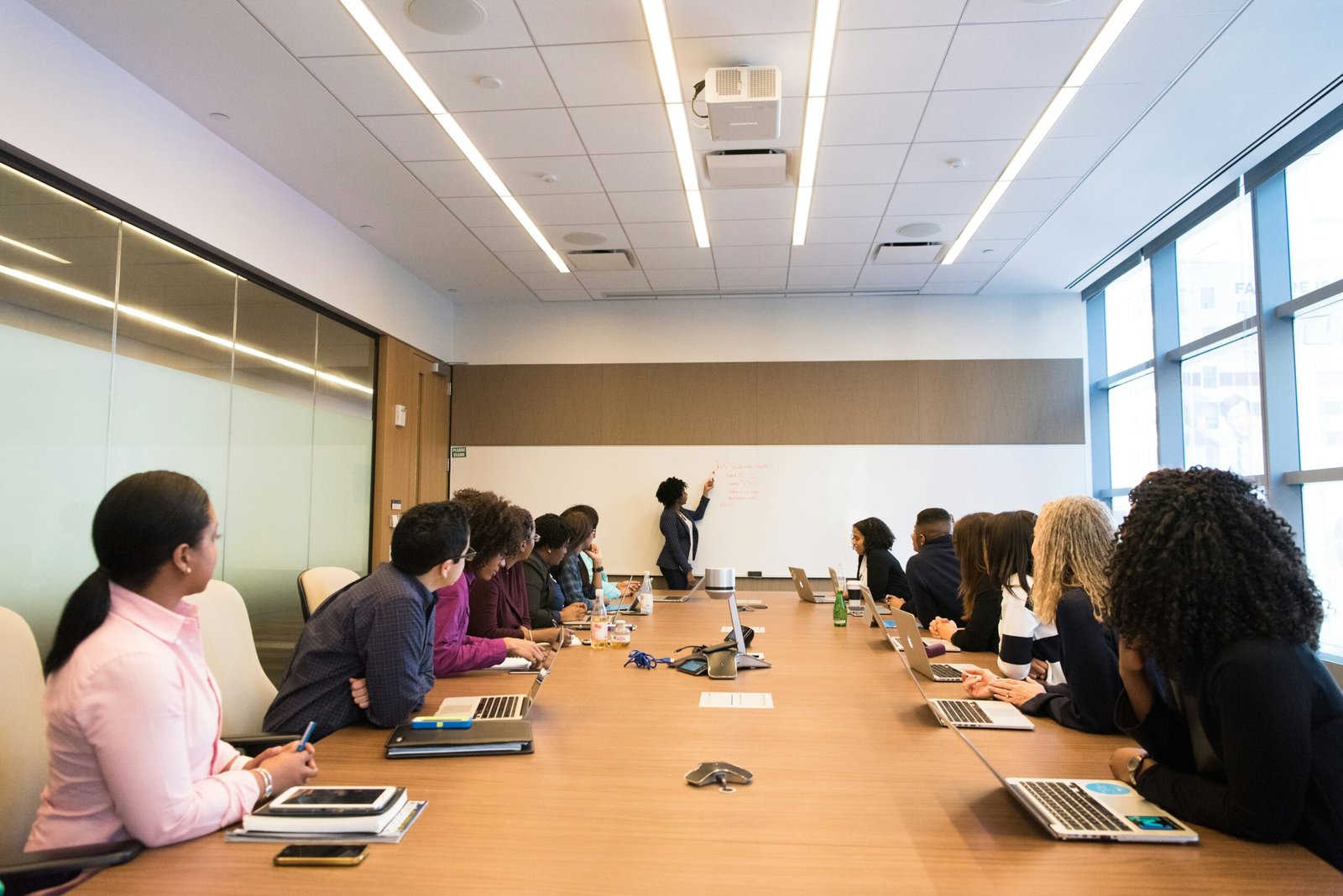
In today’s hyperconnected workplace, meetings have become the default solution for nearly every collaborative challenge — yet paradoxically, they’re often the biggest obstacle to meaningful work. As organizations grapple with declining productivity and employee burnout, a fundamental question emerges: How can we transform meetings from time-wasting rituals into engines of genuine collaboration?
The Meeting Epidemic: When More Becomes Less
The statistics paint a sobering picture: managers now spend an average of 23 hours per week in meetings — nearly 60% of their work time. But quantity has come at the expense of quality. Studies consistently show that employees rate the majority of their meetings as ineffective, with many describing them as productivity killers rather than enablers.
The root problem lies in what researchers call “meeting drift” — the tendency for organizations to schedule gatherings out of habit rather than necessity. Without clear objectives, meetings become catch-all sessions that meander through topics without reaching meaningful conclusions. This phenomenon has given rise to “Meeting Science,” a growing field that examines how different meeting types — from information sharing to decision-making — require fundamentally different structures and approaches.
The Remote Revolution: New Opportunities, New Challenges
The pandemic-driven shift to remote work has fundamentally altered the meeting landscape. Virtual platforms have democratized participation, enabling global teams to collaborate seamlessly and reducing travel costs. However, this digital transformation has also introduced unprecedented challenges.
“Zoom fatigue” has become a recognized workplace phenomenon, with back-to-back video calls creating cognitive overload that traditional in-person meetings rarely matched. The constant need to maintain eye contact with a camera, process multiple faces on screen, and compensate for delayed audio creates mental exhaustion that compounds throughout the day.
Perhaps more concerning, virtual meetings have amplified existing workplace inequalities. Research reveals that women face significantly more interruptions in online settings, while the absence of non-verbal cues makes it harder for quieter team members to signal their desire to contribute. These dynamics can inadvertently silence valuable perspectives and undermine team diversity.
Blueprint for Better Meetings: Purpose-Driven Collaboration
Forward-thinking organizations are pioneering a new approach to meetings built on three core principles: intentionality, inclusivity, and efficiency.
The first step involves rigorous purpose definition. Before scheduling any meeting, leaders must answer a fundamental question: What specific outcome requires real-time collaboration? If the goal is simply information distribution, an email or shared document often proves more effective. Decision-making meetings, by contrast, benefit from structured frameworks that ensure all stakeholders can contribute meaningfully.
Companies like Shopify and Atlassian have implemented “meeting-free zones” — designated days or hours when employees can engage in deep, focused work without interruption. These initiatives recognize that constant connectivity, while enabling collaboration, can fragment attention and reduce overall productivity.
Technology is also playing a crucial role in meeting optimization. AI-powered tools now analyze meeting patterns, identify redundant gatherings, and suggest more efficient alternatives. Some platforms automatically generate action items and track follow-through, ensuring that meetings translate into tangible outcomes rather than endless discussion loops.
Key Takeaways
- Effective meetings require clear objectives and structured approaches tailored to specific outcomes
- Virtual collaboration demands intentional design to combat fatigue and ensure equitable participation
- Strategic use of meeting-free time and AI-powered optimization can dramatically improve workplace productivity
The Path Forward: Meetings as Strategic Tools
The future of workplace collaboration lies not in eliminating meetings, but in elevating them. Organizations that treat meetings as strategic investments — carefully planned, purposefully executed, and rigorously evaluated — will gain a significant competitive advantage in attracting and retaining top talent.
This transformation requires more than policy changes; it demands a cultural shift that values employees’ time as a finite, precious resource. As hybrid work models become the norm, the organizations that master the art and science of effective meetings will be best positioned to thrive in an increasingly complex business environment.
Article by Hedge