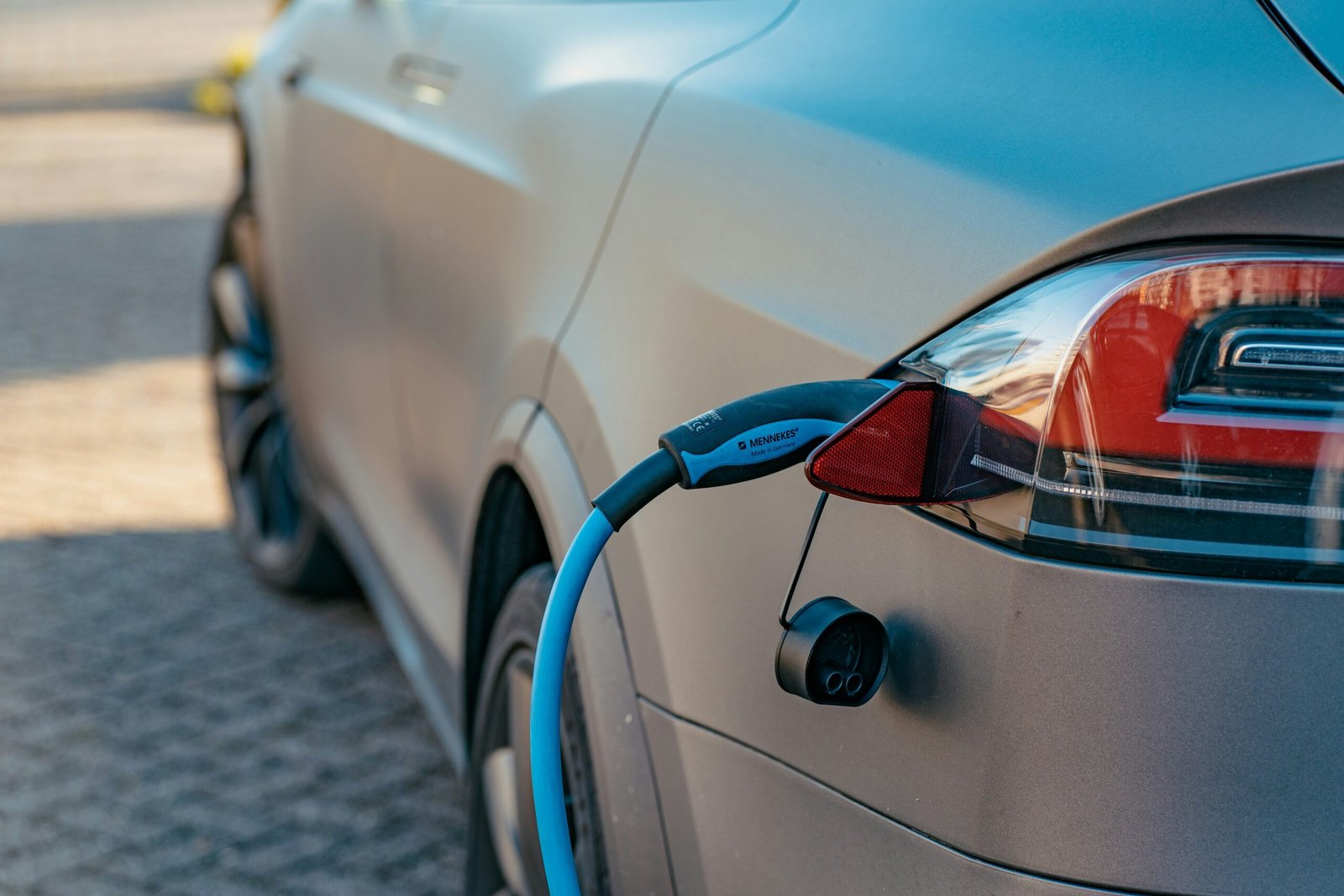
The electric vehicle revolution has shifted into high gear, transforming from an emerging trend into a dominant force reshaping global transportation. With EV sales reaching historic milestones and market penetration accelerating worldwide, we’re witnessing the most significant automotive transformation since the mass adoption of the internal combustion engine.
Record-Breaking Sales Drive Market Transformation
The numbers tell a compelling story: global EV sales surpassed 17 million units in 2024, representing a seismic shift in consumer preferences and automotive manufacturing priorities. Industry analysts project this momentum will propel sales beyond 20 million units by the end of 2025, capturing more than 25% of the global automotive market—a threshold that marks EVs’ transition from niche to mainstream.
China continues to lead this transformation, with electric vehicles now commanding nearly half of all new car sales—a remarkable achievement that underscores the country’s strategic commitment to electrification. However, the EV story extends far beyond China’s borders. Emerging markets across Asia and Latin America are experiencing rapid adoption rates, fueled by supportive government policies and the introduction of competitively priced models tailored to local markets. Europe presents a more complex picture: while maintaining approximately 20% market share, growth has plateaued following the reduction of consumer subsidies, highlighting the critical role of policy support in driving adoption.
Economic Fundamentals Shift in EVs’ Favor
The economic equation for electric vehicle ownership is fundamentally changing. Battery electric vehicles (BEVs) have seen substantial price reductions driven by intense competition and breakthrough advances in battery technology. China has reached a crucial inflection point where many electric models now cost less than comparable gasoline vehicles—a price parity milestone that’s gradually expanding to other markets.
While significant price gaps persist in Europe and the United States, where BEVs typically carry higher upfront costs, the total cost of ownership narrative increasingly favors electric. Lower maintenance requirements, reduced fuel costs, and volatile petroleum prices continue to strengthen the economic case for EV adoption, particularly as battery costs decline and vehicle efficiency improves.
Infrastructure and Battery Innovation Drive Future Growth
The rapid expansion of charging infrastructure represents both an opportunity and a critical bottleneck for continued EV growth. As automakers introduce dozens of new electric models across all vehicle segments, the demand for reliable, fast-charging networks has become paramount to consumer confidence and adoption rates.
Battery demand projections underscore the scale of this transformation: industry experts anticipate demand will double by 2030 as global electrification targets accelerate. This surge extends beyond mere volume—it’s driving unprecedented innovation in battery chemistry, energy density, and manufacturing processes. Advanced battery pack designs and scaled production capabilities will determine which markets can successfully transition to electric mobility at the pace required to meet climate commitments.
Key Market Insights
- Global EV sales are projected to exceed 20 million units by the end of 2025, capturing over 25% market share.
- China leads in both production and adoption, while emerging markets show accelerating growth driven by policy support and affordable models.
- Strategic investment in charging infrastructure and next-generation battery technology remains essential for sustaining industry momentum.
The Road Ahead
The electric vehicle market stands at a pivotal moment, having proven its viability while facing the challenge of achieving universal accessibility. Success in the next phase will depend on closing affordability gaps in developed markets, accelerating infrastructure deployment, and continuing the relentless pace of technological innovation. As governments worldwide tighten emissions regulations and consumers increasingly prioritize sustainability, the electric vehicle revolution appears not just inevitable, but unstoppable.